
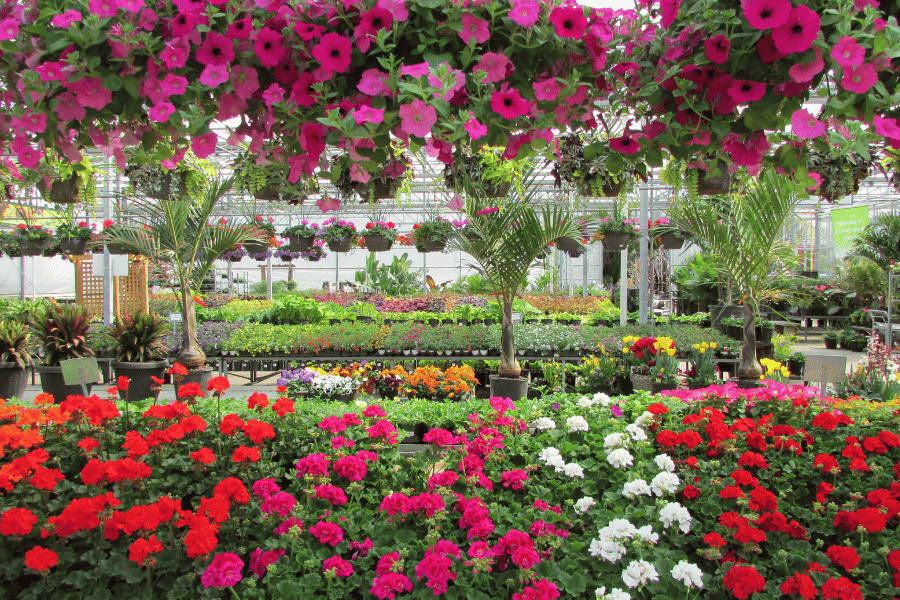
As the Victoria Day long weekend approaches, gardeners across Southern Ontario begin one of the busiest and most exciting periods of the growing season. For many Canadians, the May long weekend has long been considered the unofficial start of planting season. Traditionally, it marks the point when the risk of frost drops significantly across much of Southern Ontario, making it safer to plant tender annuals, vegetables, tropicals, and container gardens outdoors.
That said, experienced gardeners and landscape professionals know that Victoria Day is not a guaranteed frost-free line in the sand. Weather patterns continue to fluctuate, microclimates vary widely from Windsor to Durham Region, and cold nighttime temperatures can still challenge newly planted material. The key to success is preparation, timing, and understanding your local conditions; from summery warm to days to frosty mornings, the month of May can challenge the best gardeners!
Whether you are a homeowner planting your first vegetable garden or a landscape contractor managing large-scale installs, this is the ideal moment to set the tone for a healthy, vibrant growing season.
Understanding Southern Ontario’s Spring Conditions
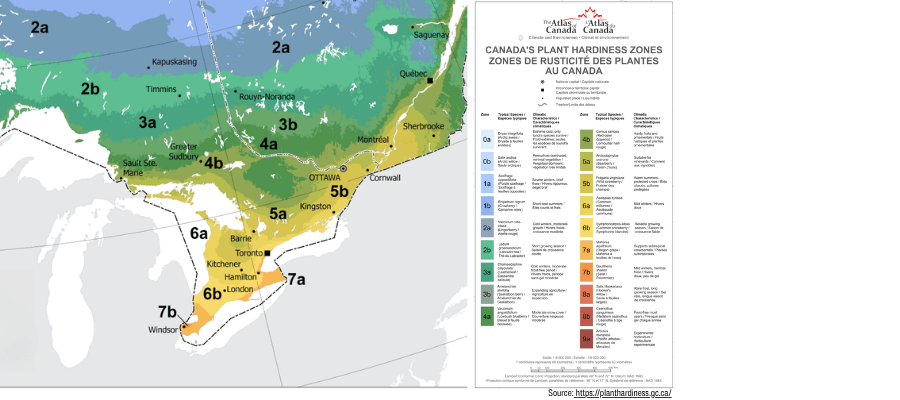
Southern Ontario spans several hardiness zones, generally ranging from Zone 5b to Zone 7a. Urban areas near Lake Ontario and Lake Erie often warm earlier, while rural and inland regions may remain cooler longer.
Average last frost dates vary considerably:
- Windsor and Niagara: late April to early May
- Toronto and Hamilton: early to mid-May
- Waterloo, Barrie, Peterborough: mid-May
- Ottawa Valley and higher elevations: late May into early June
Ontario’s Ministry of Agriculture notes that even after average frost dates pass, there remains a measurable frost risk for another one to two weeks.
For landscape professionals, this means scheduling installations with flexibility. For homeowners, it means resisting the temptation to plant everything at once during the first warm weekend in May.
Ontario Hardiness Zone Map
What You Can Safely Plant Before Victoria Day
Not all plants require warm soil and tropical conditions. In fact, many crops and ornamentals perform best when planted early.
Cold-Tolerant Vegetables
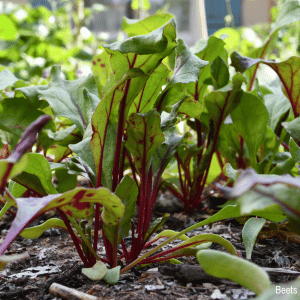
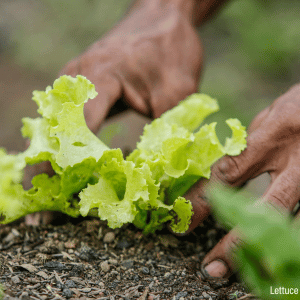
These crops thrive in cool conditions and can tolerate light frost, and can often be seeded or transplanted weeks before Victoria Day.
- Lettuce
- Spinach
- Kale
- Swiss chard
- Peas
- Onions
- Radishes
- Beets
- Carrots
- Broccoli
- Cabbage
Hardy Annuals
Cool-season flowers can also handle cooler temperatures. These provide excellent early-season colour and are ideal for municipal plantings, retail entrances, and residential containers.
- Pansies
- Snapdragons
- Alyssum
- Violas
- Dianthus
Trees, Shrubs, and Evergreens
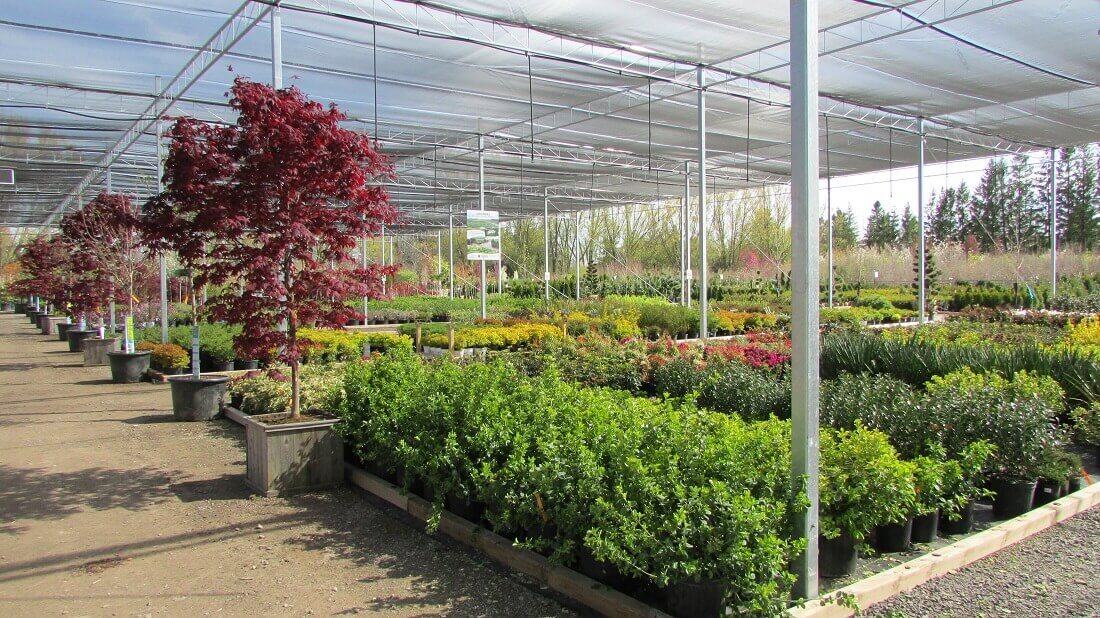
Spring remains one of the best times to plant woody material. Cooler temperatures reduce transplant stress and encourage strong root establishment before summer heat arrives.
Landscape professionals should prioritize:
- Proper root flare placement
- Deep watering schedules
- Mulch rings with adequate clearance from trunks
- Soil preparation before installation: Avoid planting into saturated soil, as compaction can create long-term drainage problems.
What Should Wait Until After Victoria Day
Warm-season plants remain vulnerable to even brief cold snaps.
Tender crops should generally wait until:
- Night temperatures consistently remain above 10°C
- Soil temperatures reach approximately 15°C
- Extended forecasts show stable conditions
Warm-Season Vegetables
Wait to plant:
- Tomatoes
- Peppers
- Cucumbers
- Zucchini
- Squash
- Eggplant
- Basil
While some gardeners push the season earlier, losses from unexpected frost or cold stress are common.
Cold soil can stunt warm-season vegetables for weeks, meaning early planting does not always translate into earlier harvests.
Tender Annuals and Tropicals
Hold off on:
- Impatiens
- Begonias
- Coleus
- Caladiums
- Tropical hibiscus
- Cannas
- Elephant ears
Even temperatures above freezing can stress tropical material if nighttime lows remain too cool.
The Importance of Soil Temperature
One of the most overlooked aspects of spring gardening is soil temperature. Air temperatures may feel pleasant during the day, but cold soil slows root growth and nutrient uptake.
Before planting:
- Use a soil thermometer
- Measure temperatures in the morning
- Check multiple days for consistency
General guidelines:
- Cool crops: 5–10°C soil
- Warm-season vegetables: 15°C+
- Turf establishment: 12–18°C
Landscape contractors installing sod or large perennial beds should pay close attention to soil conditions, particularly after wet springs.
Hardening Off: The Step Many Gardeners Skip
Seedlings raised indoors or in greenhouses require gradual acclimation before being planted outdoors.
Without proper hardening off, plants can suffer:
- Sun scorch
- Wind damage
- Stunted growth
- Transplant shock
A proper hardening-off period lasts 7–10 days:
- Begin with shaded outdoor exposure
- Gradually increase sunlight
- Reduce watering slightly
- Protect from strong wind
- Bring indoors during cold nights if necessary
This step is especially important for tomatoes, peppers, annual flowers, and greenhouse-grown nursery stock.
Frost Protection Strategies
Even after Victoria Day, unexpected cold nights remain possible.
Useful protection methods include:
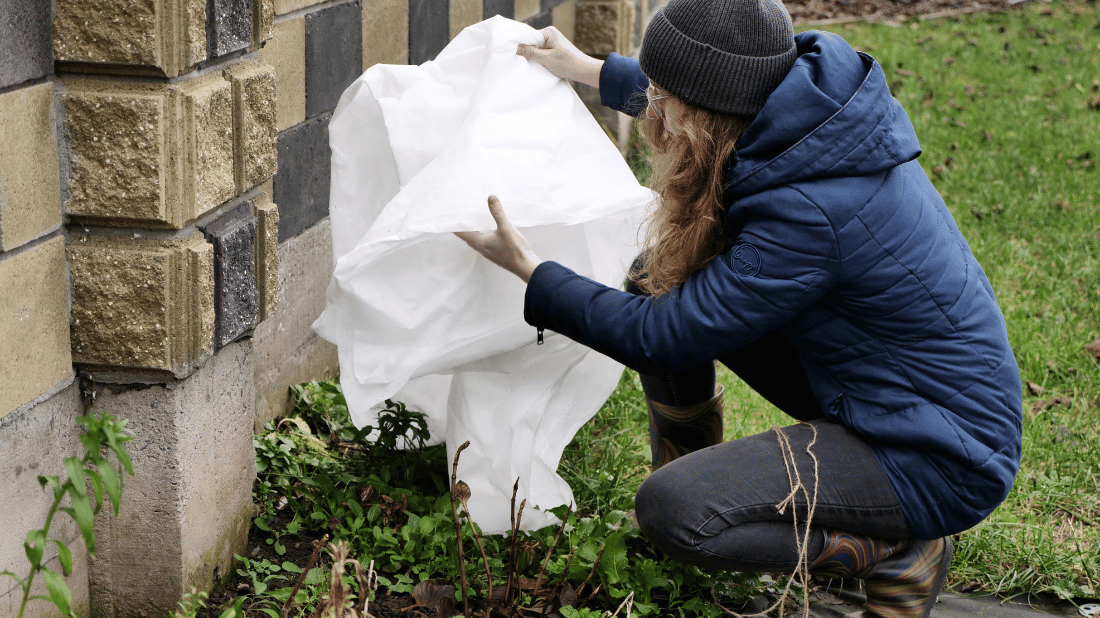
- Floating row covers
- Frost blankets
- Cloches
- Temporary hoop houses
- Mulching root zones
- Watering before frost events
Container plants are particularly vulnerable because roots are exposed above ground.
Monitor:
- Overnight lows
- Wind conditions
- Rural versus urban temperature differences
Urban heat islands may remain several degrees warmer than surrounding countryside.
Victoria Day weekend continues to serve as an important milestone for Southern Ontario gardeners because it aligns closely with improving soil temperatures and declining frost risk. But successful gardening is never about one calendar date alone.
The best results come from:
- Watching local weather patterns
- Understanding plant tolerance
- Preparing soil properly
- Planting strategically
- Remaining patient during unpredictable spring conditions
For homeowners, gardening is an opportunity to reconnect with nature, beautify outdoor spaces, and grow fresh food. For landscape professionals, this season sets the foundation for the entire year’s success.