Nothing transforms an outdoor space quite like tropical plants. Their oversized foliage, bold colours, dramatic textures, and lush appearance instantly evoke the feeling of a vacation destination, turning an ordinary patio, deck, or balcony into a personal retreat. Paired with the trees and shrubs that naturally grow in our climate, tropical plants add vibrant colour and contrast all season long.
While Southern Ontario’s Zone 6 climate experiences cold winters that prevent tropical plants from surviving year-round outdoors, our warm summers provide ideal conditions for growing a wide range of tropical varieties in containers. Whether you’re creating a backyard oasis, enhancing a commercial landscape, or designing an inviting outdoor living space, tropical plants offer unmatched visual impact from late spring through fall.
At Connon Nurseries, tropical plants are among the most effective ways to add instant colour, texture, and drama to containers, patios, poolside landscapes, and outdoor entertaining spaces. Tropical plants can be planted directly into the landscape or garden and treated like annual plants, giving summer long interest. Alternatively, using tropical plants in containers and planters is an effective way to embrace resort-style living at home.
Why Tropical Plants Work So Well in Southern Ontario
Many tropical plants originate from regions with warm temperatures, abundant moisture, and extended growing seasons. Once nighttime temperatures consistently remain above 10°C, they thrive throughout Southern Ontario’s summer months.
Benefits of Tropical Containers
- Create instant visual impact
- Provide season-long colour and interest
- Add height and architectural structure
- Thrive in sunny patios and poolside locations
- Require minimal pruning and maintenance
- Allow flexibility in design and placement
- Create privacy screening on decks and patios
Unlike annual flowers that often focus on blooms alone, tropical plants bring interest through foliage, texture, colour, and form.
The Essential Tropical Container Design Formula
Successful tropical containers typically combine three key elements, which are the same ones that we suggest for all container designs: Thriller, filler, and Spiller.
Thriller: The tall, dramatic focal point.
Examples:
- Banana Plant
- Elephant Ear
- Canna Lily
- Cordyline
- Majesty Palm
- Bird of Paradise
- Mandevilla
- Hibiscus bush or tree form
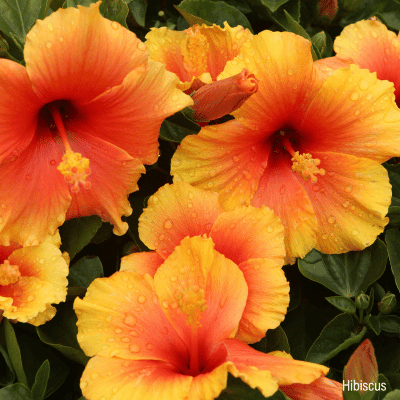
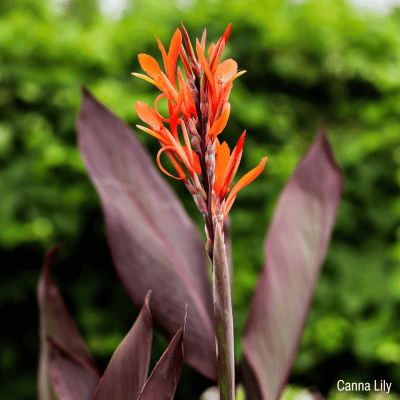
Filler: Plants that provide fullness and colour.
Examples:
- Coleus
- Caladium
- Begonia
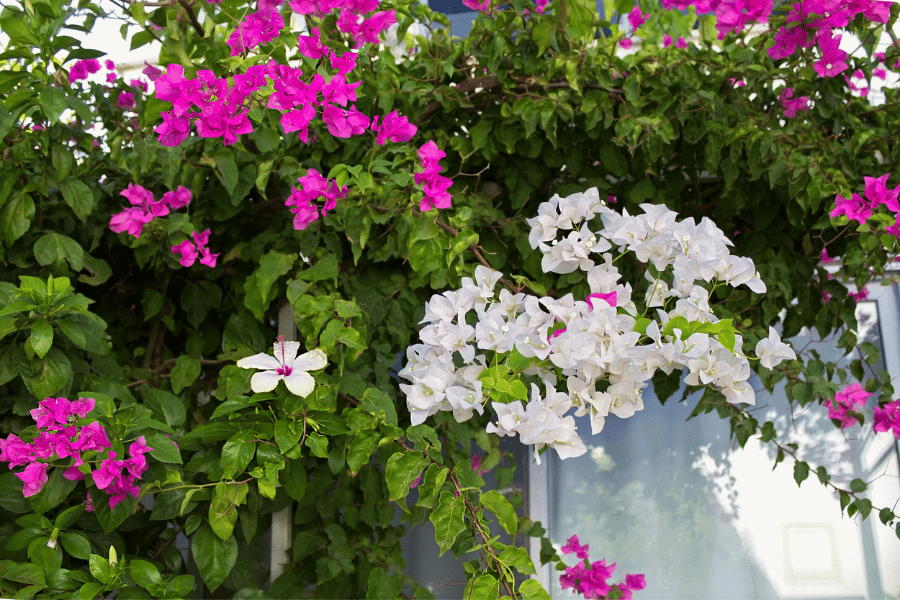
- Bougainvillea
- Angelonia
- Persian Shield
- Polkadot Plant
- Kimberley Queen Fern
- Macho Fern
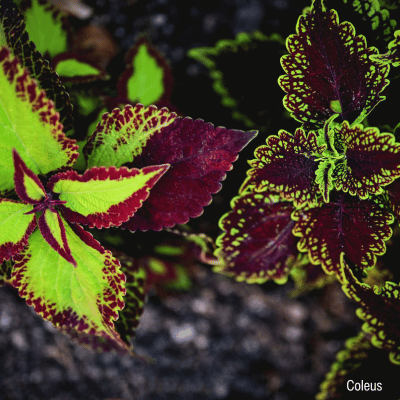
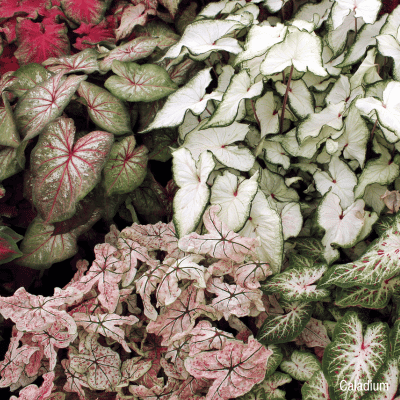
Spiller: Plants that soften container edges and cascade over the sides.
Examples:
- Sweet Potato Vine
- Creeping Jenny
- Dichondra Silver Falls
- Philodendron
- Ivy
- Bougainvillea
- Passion Flower
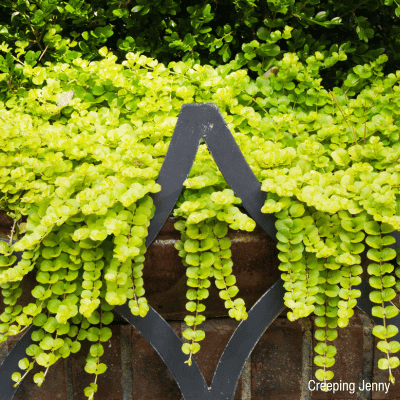
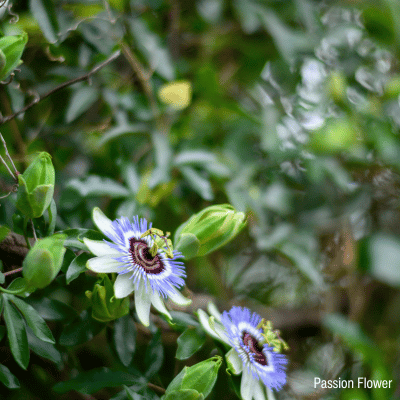
This “Thriller, Filler, Spiller” approach creates balanced, professional-looking containers that remain attractive all season. For the more adventurous green thumbs, a combination of tropical plants and annual flowers or foliage can make for stunning designs!
Best Tropical Plants for Shade
For areas that aren’t continuously sunny, there are tropical options. Combining multiple foliage colours often creates more impact than relying solely on flowers. For shaded outdoor living areas, consider: Alocasia, Begonias, Rex Begonias, Coleus, Caladium, Ferns, Philodendrons, Monstera, and Sensevieria.
Caring for Tropical Containers
Water Consistently
Large tropical leaves lose significant moisture during hot weather.
During July and August:
- Check containers daily
- Water deeply when needed
- Avoid allowing soil to dry completely
Feed Regularly
Tropical plants are heavy feeders.
Apply:
- Slow-release fertilizer at planting
- Liquid fertilizer every 2–3 weeks
Use Large Containers
Larger containers:
- Hold moisture longer
- Support bigger root systems
- Reduce maintenance
- Improve overall plant performance
Watch Temperatures
Most tropical plants should not be planted outdoors until frost danger has passed and nighttime temperatures remain consistently above 10°C.
For Southern Ontario, this is typically mid-May through early June.
What About Winter?
Most tropical plants grown in Southern Ontario are treated as annuals, but some can be overwintered indoors. Potential candidates include: Banana Plants, Elephant Ears, Hibiscus, Mandevilla, Cordyline, Bird of Paradise, Monstera, and Philodendrons.
*Bring plants indoors before the first fall frost and place them in bright locations where possible. Treat plants with an insecticidal soap or mild insecticide before transitioning to the indoors.
Tropical plants offer one of the fastest and most dramatic ways to elevate outdoor living spaces in Southern Ontario. Whether you’re creating a backyard retreat, enhancing a front entrance, decorating a condo balcony, or designing a commercial patio, tropical containers provide season-long colour, texture, and visual impact that few other plants can match.
By combining bold foliage, vibrant flowers, and thoughtful container design, gardeners can enjoy a resort-inspired atmosphere from late spring until fall. With the right plant selection and care, tropical containers become the focal point of patios, decks, poolsides, and outdoor entertaining areas throughout Zone 6.
For the widest selection of tropical plants, premium container materials, and expert growing advice, visit Connon Nurseries and discover how tropical plants can transform your outdoor spaces this season.